How to Choose the Right Mailer Box for E-commerce Shipping
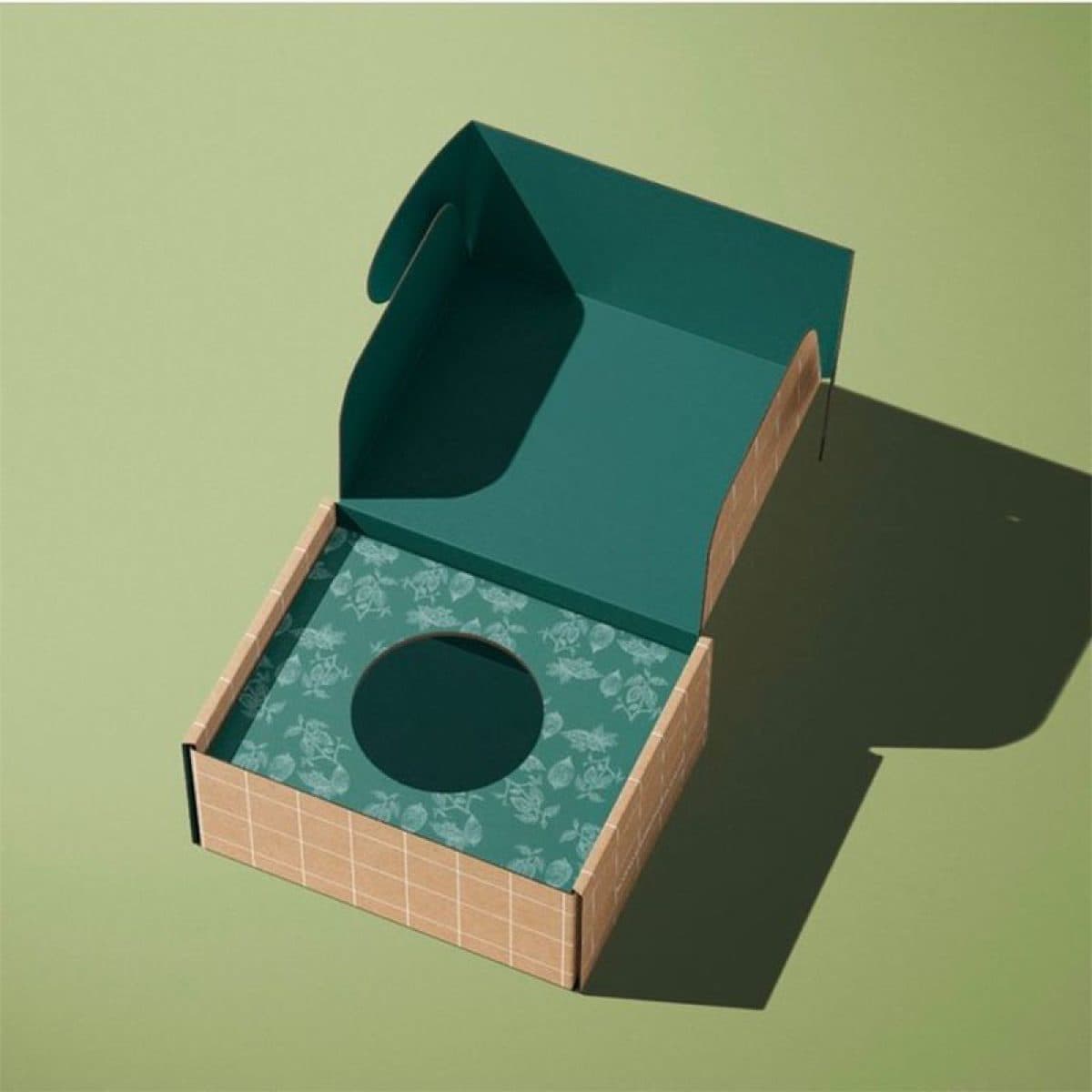
For an online brand, the mailer box is the first physical thing a customer touches. Get it right and it protects the product, keeps dimensional-weight costs down, and doubles as marketing. Get it wrong and you pay for damage, returns, and a flat first impression.
Start with the right size
Size the mailer box to the product plus protection, not to a round number. Too much empty space means the product shifts in transit and you pay for air in dimensional-weight pricing. Too tight and it crushes at the corners. Measure the product with its inserts or void fill, then add a small, consistent clearance.
Match the board to the journey
Mailer strength comes from the corrugated flute and wall. Single-wall corrugated handles most lightweight products; heavier or fragile items need a stronger flute or double wall. The goal is to survive the carrier network, not to over-build — excess board is wasted freight.
- Lightweight apparel or accessories: single-wall E-flute is usually enough.
- Heavier or fragile goods: B-flute or double-wall for edge protection.
- Add custom inserts to lock the product in place and prevent movement.
Make the unboxing part of the brand
Interior printing, a branded message, and tidy inserts turn a shipping box into an experience customers photograph and share. It costs little over a plain kraft mailer but changes how premium the delivery feels. If your audience values sustainability, specify recycled corrugate and water-based inks — the same thinking covered in our guide to sustainable packaging materials.
Frequently asked questions
What is the most common mistake with e-commerce mailer boxes?
Oversizing. A box much larger than the product forces you to add void fill, increases dimensional-weight shipping costs, and lets the product move around in transit, which causes damage. Size to the product plus a small, consistent clearance.
Do mailer boxes need inserts?
Fragile, heavy, or multi-piece products benefit from inserts that hold each item in place and absorb shock. For simple, soft, or lightweight products, a well-sized box with minimal void fill is often enough.
Ready to spec your packaging?
Get a Free Quote