Rigid Boxes vs Folding Cartons: Which Packaging Fits Your Product?
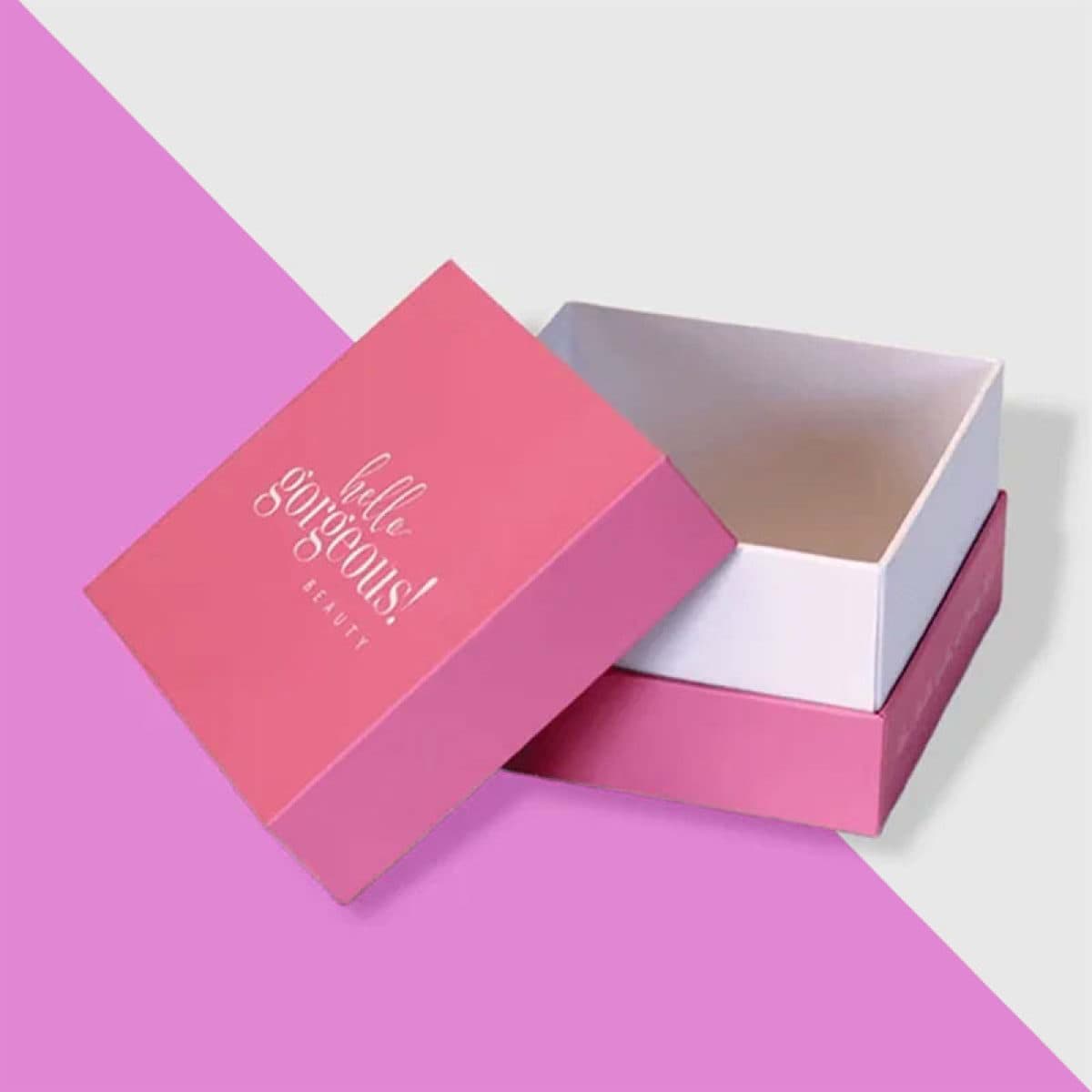
Two structures cover most retail packaging decisions: the rigid box and the folding carton. They look similar in a render, but they behave very differently on cost, on shelf, and in a customer's hands. Picking the wrong one either overspends your budget or undersells your product.
What each structure is built for
A rigid box is made from thick chipboard wrapped in printed paper. It does not fold flat, it holds its shape permanently, and it delivers the heavy, premium feel people associate with luxury and gifting. That weight is exactly why it costs more and ships in more volume.
A folding carton is printed on a single sheet of paperboard, die-cut, and shipped flat until assembled. It is lighter, far more cost-efficient at volume, and ideal for retail products that move quickly and need clean, colourful printing more than heft.
How to choose between them
Match the structure to what the product is asking for. If the unboxing moment is part of the brand — a launch, a premium beauty line, an electronics accessory — the rigid box earns its cost. If the product is bought on impulse or in volume, the folding carton protects your margin without weakening the shelf presence.
- Choose rigid for: gifting, luxury retail, product launches, high price points.
- Choose folding cartons for: everyday retail, high volume, tight per-unit budgets.
- Consider a product box hybrid when you need durability without full rigid cost.
Cost, shipping, and finishing reality
Rigid boxes carry higher material and freight costs because they ship pre-formed and heavier. Folding cartons ship flat, so you fit far more into a carton and a pallet. Both accept the same premium finishes — foil, embossing, spot UV, soft-touch — so you are rarely giving up print quality, only structure and cost. If sustainability is a priority, both can be produced in recycled and eco-friendly materials.
Frequently asked questions
Are rigid boxes always more expensive than folding cartons?
In almost all cases, yes. Rigid boxes use more board, are more labour-intensive to construct, and cost more to ship because they arrive pre-formed. Folding cartons ship flat and assemble on site, which lowers both freight and per-unit cost at volume.
Can folding cartons look premium?
Yes. Folding cartons accept the same finishes as rigid boxes — foil stamping, embossing, spot UV, and soft-touch lamination — so the print and finish can look high-end even though the structure is lighter and more affordable.
Ready to spec your packaging?
Get a Free Quote